Spotlight On: Kerri Sowers
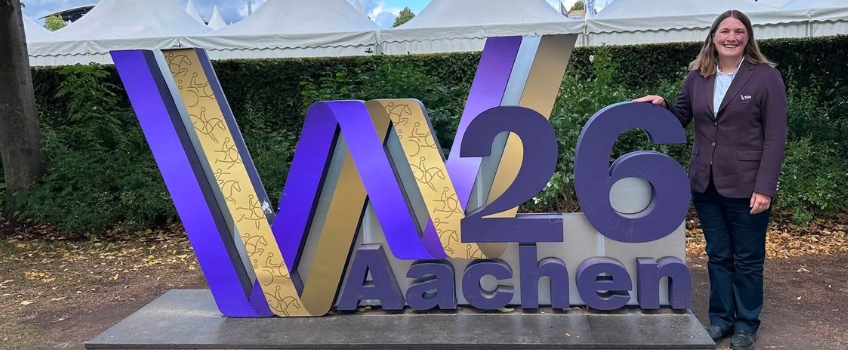
Kerri Sowers, professor of Health Science, served as chief classifier for para dressage at the 2026 FEI World Championships in Aachen, Germany.
Galloway, N.J. — Kerri Sowers, professor of Health Science at Stockton University, recently returned from Aachen, Germany, where she served as a chief classifier for para dressage at the 2026 FEI World Championships.
Para dressage is an equestrian sport in which athletes with physical impairments compete in grades based on how their impairments affect their ability to ride. As chief classifier, Sowers oversaw the process of determining athletes' eligibility and competition grades.
A certified neurologic physical therapist, Sowers also coordinates Stockton's Disability Studies minor and teaches Disability & Sports.
In the following interview, Sowers discusses how she found her way into classification, what it meant to serve at one of the sport's most prestigious events and how her international work shapes what she teaches at Stockton.
How did you first become involved in para dressage classification, and what drew you to this work?
I became involved in the sport about 25 years ago, first by coaching a local disabled athlete who was riding and competing in para dressage. Then my coach, Jessica Ransehousen, a three-time Olympian, began coaching disabled athletes who hoped to compete in the Paralympics.
I initially helped care for their horses at competitions as a groom. At one competition, the classifiers learned that I was in physical therapy school and suggested I become a classifier once I graduated.
In 2009, I became a national-level para equestrian classifier, and then in 2012, I became an international-level classifier. It combined my passion for riding and competing in dressage with my training as a physical therapist. When I was not competing because of horse injuries or work demands, classification allowed me to stay active in the sport I love.
Aachen is one of the world's most famous equestrian events, and this was the first year para dressage was included alongside the non-disabled competitions. Being appointed as an official was an enormous privilege given the prestige and impact of the event.Kerri Sowers
Professor of Health Science
What does serving as chief classifier involve, and what was especially meaningful about your experience in Aachen?
Classification is the process that determines which athletes are eligible to participate in para sports and is the framework to create a fair competition, ensuring athletes with similar physical impairments are competing against one another. The International Paralympic Committee has more information about classification.
As chief classifier, I am responsible for directing and administering all classifications at the event, managing any protests, liaising with the event organizer and other officials and helping review and approve adaptive equipment used by athletes.
Aachen is one of the world's most famous equestrian events, and this was the first year para dressage was included alongside the non-disabled competitions. Being appointed as an official was an enormous privilege given the prestige and impact of the event.
How does your classification work inform your Disability & Sports course?
In my Disability & Sports class, we spend time discussing classification and how that impacts different sports. Students are often shocked to find out that the Paralympics are not inclusive of all athletes with disabilities. Many sports exclude certain types of disabilities, or an athlete must meet minimum impairment criteria. In other words, are they considered "disabled enough" to compete?
My students get to discuss whether it is "fair" that some disabilities are excluded, or that people with less impairment are excluded. We also examine the impact of adaptive equipment and how that can reduce barriers to allow people to participate in different sports. That triggers discussions about equity in sports: If one athlete can afford more specialized equipment, is it fair for that person to compete against someone who cannot? Should athletes who use specialized equipment be able to compete in non-disabled sporting events, or does the equipment give them an unfair advantage? Several athletes have competed in both the Paralympic and Olympic Games.
What is one misconception about disability and sports that you hope students reconsider?
I always teach my students about the concept of "inspiration porn" on the first day of class, which shapes how people view disabled athletes. I want students to understand that athletes in para sports are athletes first. They should be celebrated for their skill in their sport, not simply because they are disabled.
What is something people might be surprised to learn about you?
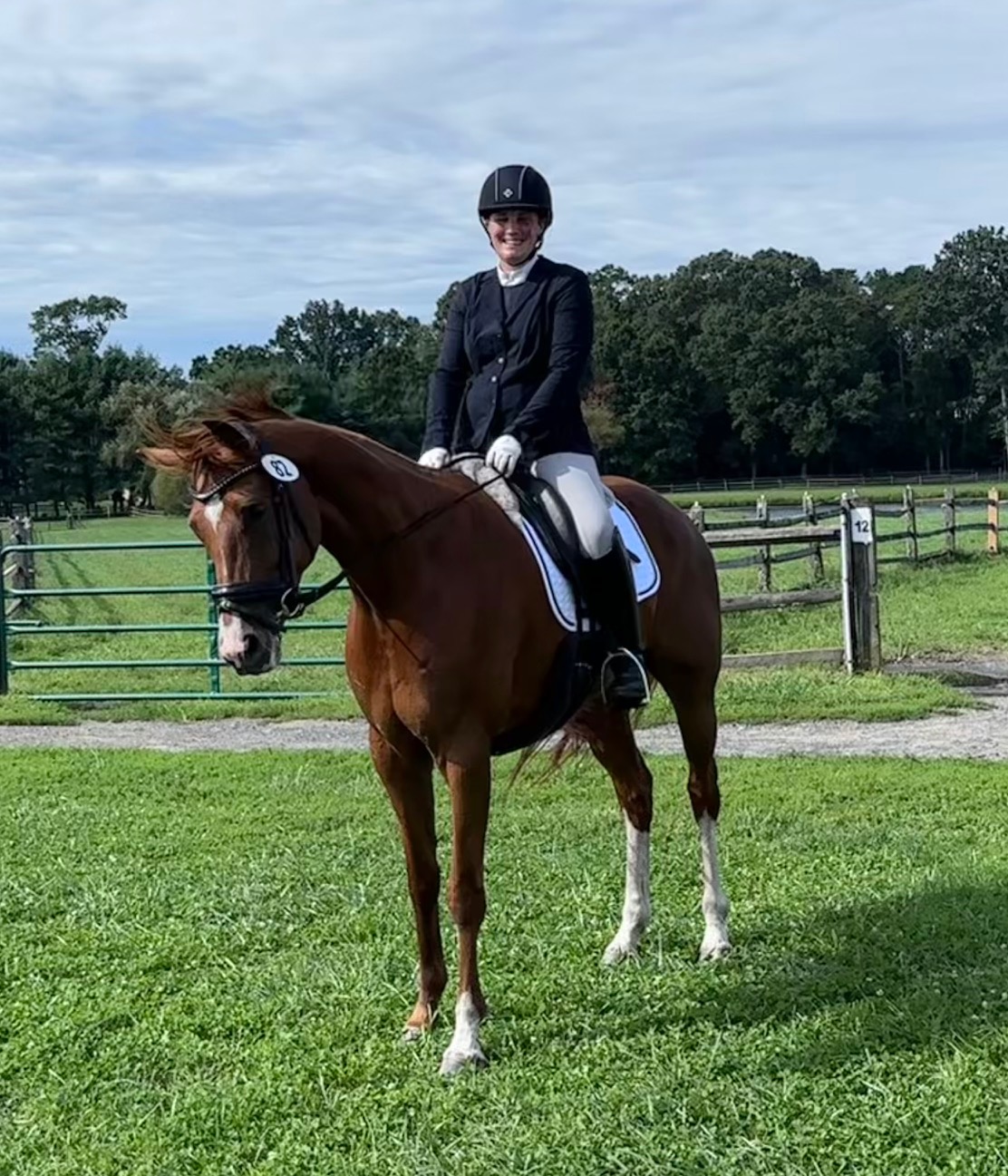
I was a team silver and individual bronze medalist in dressage at the Junior Olympics, also known as the North American Young Riders Championships, a long time ago! I currently own four horses and recently returned to competing.
Many students have shared that they did not even realize they were contributing to that mindset before the class. They also reflect on how making things more accessible helps everyone, not just athletes with disabilities, and how many barriers are created by society, not by the disability itself.
What do you find most rewarding about working with athletes internationally and teaching students at Stockton?
I've had so much fun traveling around the world to volunteer as a classifier. I've met and worked with people from many different backgrounds and cultures who contribute because they love the sport and want to see it grow. I've also made wonderful friends, and those experiences have helped me grow as an individual. They have also helped me encourage students to study abroad or pursue similar international experiences.
As a classifier, I am one part of the pathway for athletes who go on to succeed in international competition. As a teacher, I play a similar role for students on their way to careers in their chosen professions. It's rewarding to be a small part of someone's journey and to see them grow and reach their goals.
Reported by Mandee McCullough
Photo submitted