Spotlight On: Kaite Yang
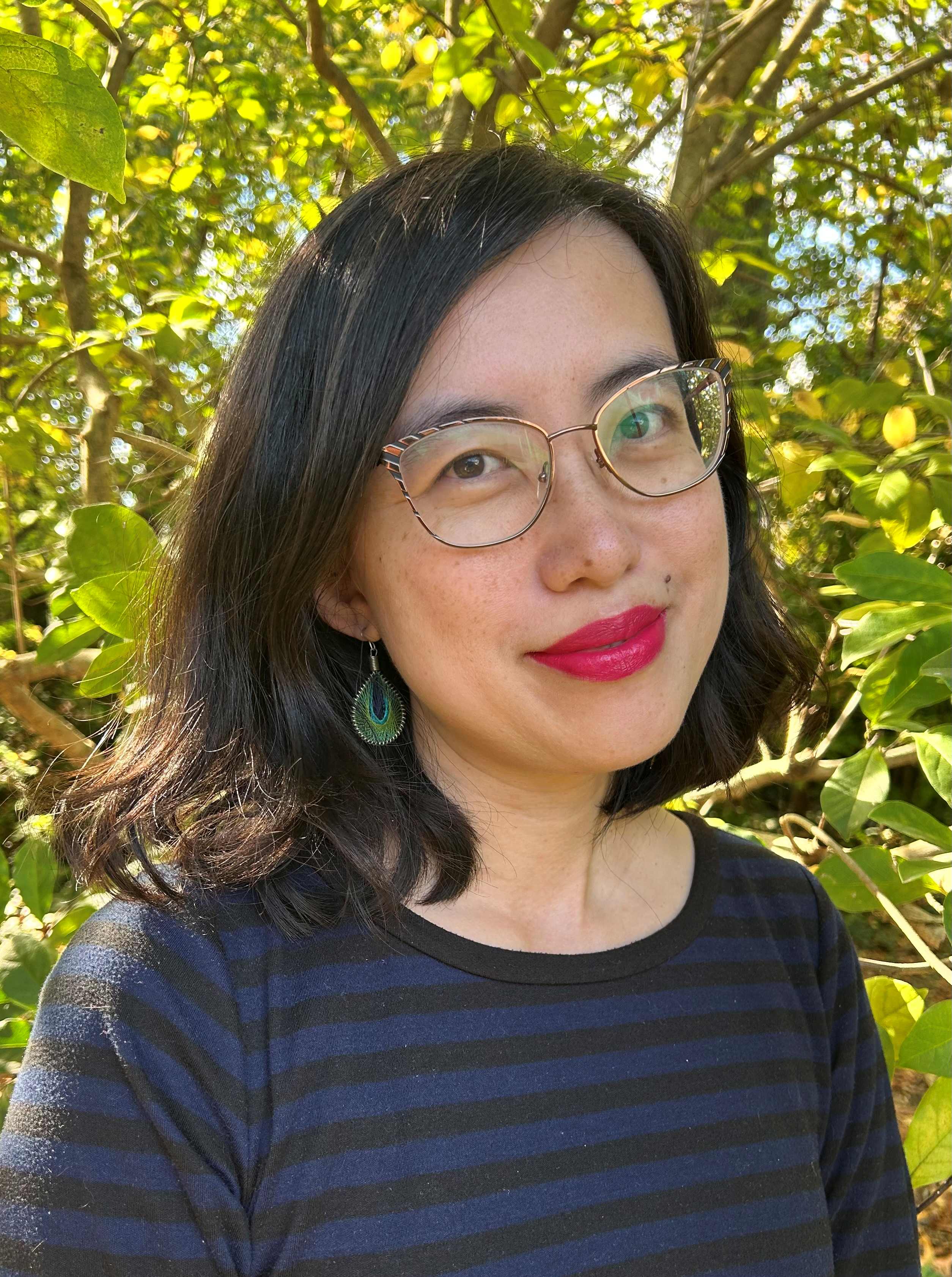
Galloway, N.J. – Nearly a decade after its publication, research by Stockton University Associate Professor of Psychology Kaite Yang and her colleagues continues to draw attention to an important question: Why are women more likely than men to experience depression, even into older adulthood?
Their 2017 paper, "The Gender Difference in Depression: Are Elderly Women at Greater Risk for Depression than Elderly Men?," was recently selected for the "Best 10 Abstracts from the Past 10 Years" session at the First International Online Conference on Geriatrics Research on Oct. 23. The paper is also the most-cited article in the journal Geriatrics.
Yang collaborated on the research with Christine Ferri, professor of Psychology and director of the Stockton Center on Successful Aging (SCOSA), and Joan Girgus, professor emeritus of Psychology at Princeton University.
The research explores a well-documented disparity in depression between women and men, particularly how that difference persists into later life. Since the original publication, the team has continued examining the social, economic and health-related factors that may contribute to depressive symptoms among older adults.
In the following Q&A, Yang discusses the significance of the recognition, what the research has revealed and why understanding depression in older adulthood remains important.
Your 2017 paper was recently recognized among the journal's top abstracts from the past decade. What does this recognition mean to you and your research team?
It's an honor and we are delighted that there is interest in our paper. The gender disparity in depression had been understudied in the older adult population when we wrote the paper close to a decade ago. I think the article's citation record shows a growing interest in the topic since then, which is a good thing.
What did your research reveal about gender differences in depression among older adults? Was anything particularly surprising?
The gender disparity in depression is that women and girls are more likely to be diagnosed with depression and experience more severe symptoms than men and boys. This is a well-documented mental health finding that emerges in adolescence and continues across adulthood.
Major historical events impact population mental health. There are countless examples
of this in the case of natural disasters, pandemics, conflict, war and economic disasters. I think it is important to note that broad-reaching policies and structures can both
mitigate negative mental health impacts and hasten recovery.
Associate Professor of Psychology
But what our 2017 review paper found was that the gender disparity is overwhelmingly observed in late life. And that was intriguing, too.
There are enormous physical, social and situational changes from adolescence to older adulthood. So why is the gender disparity so consistently seen across that time? My research focuses on social and structural determinants of gender differences in depression, so this was very interesting.
How do factors such as financial strain, physical health and social support contribute to depression among older adults?
After our 2017 review, we published a study examining psychosocial factors and the gender disparity in depression among older adults using data from the ORANJ BOWL study on aging in New Jersey.
We found significant gender differences in factors known to be associated with depression in older age. Older women had lower functional ability, perceived their health to be poorer, reported less financial comfort and were more likely to live alone than older men.
Our analysis found reciprocal relationships between these factors and depressive symptoms. Because the study was correlational, we could not determine what causes what. Our next study will examine how these factors relate to depressive symptoms over the 13-year study period.
Your more recent research also examines how depression symptoms change over time. What have you discovered?
Our research team recently wrote a manuscript, currently under review at a peer-reviewed journal, examining depressive symptoms over 13 years among participants who were ages 50 to 74 at the beginning of the study.
We found that symptoms fluctuated over time, peaking in 2011 before declining and then beginning to increase again.
We speculate that the peak in symptoms reflects the fallout of the Great Recession. New Jersey had the highest foreclosure rates in the nation, and the recession drastically reduced wealth for adults in their 50s through 70s, many of whom were nearing retirement or already retired.
Major historical events impact population mental health. There are countless examples of this in the case of natural disasters, pandemics, conflict, war and economic disasters.
I think it is important to note that broad-reaching policies and structures can both mitigate negative mental health impacts and hasten recovery.
Nearly a decade after your original paper was published, what questions are you interested in exploring next?
The next step is to examine how experiences of psychosocial factors relate to fluctuations in depressive symptoms over time and whether there are differences based on gender and starting age.
After that, I am very interested in qualitative research on older adults' experiences with depression, expressed in their own words.
I think this will help give shape and richness to our understanding of gender similarities and differences in social, structural and psychological factors related to mental health.
I also think the gender disparity research has largely neglected the experiences of transgender and gender-nonconforming older adults. Many large-scale longitudinal studies do not assess identities beyond a binary definition of gender. I'd like to see research among older adults be more inclusive of the diversity and spectrum of gender identities.
What do you hope older adults, their families and those who work with aging populations take away from this research?
Mental health screening and treatment are important at any age. Depression is treatable; it is not a normal part of aging and is itself a risk factor for poor health in older age.
Is there anything else you'd like to share about your research team or the conference experience?
I love that our research team has been working together on this topic for about a decade. And we are intergenerational (Silent Gen, Gen X and Millennial)!
I am delighted that we were invited to present at the 10 Best Abstracts session. It was an honor being part of a truly international panel of scholars working on different facets of aging research.
Reported by Mandee McCullough
Photo submitted