Kory Olson Highlight
May 8, 2026
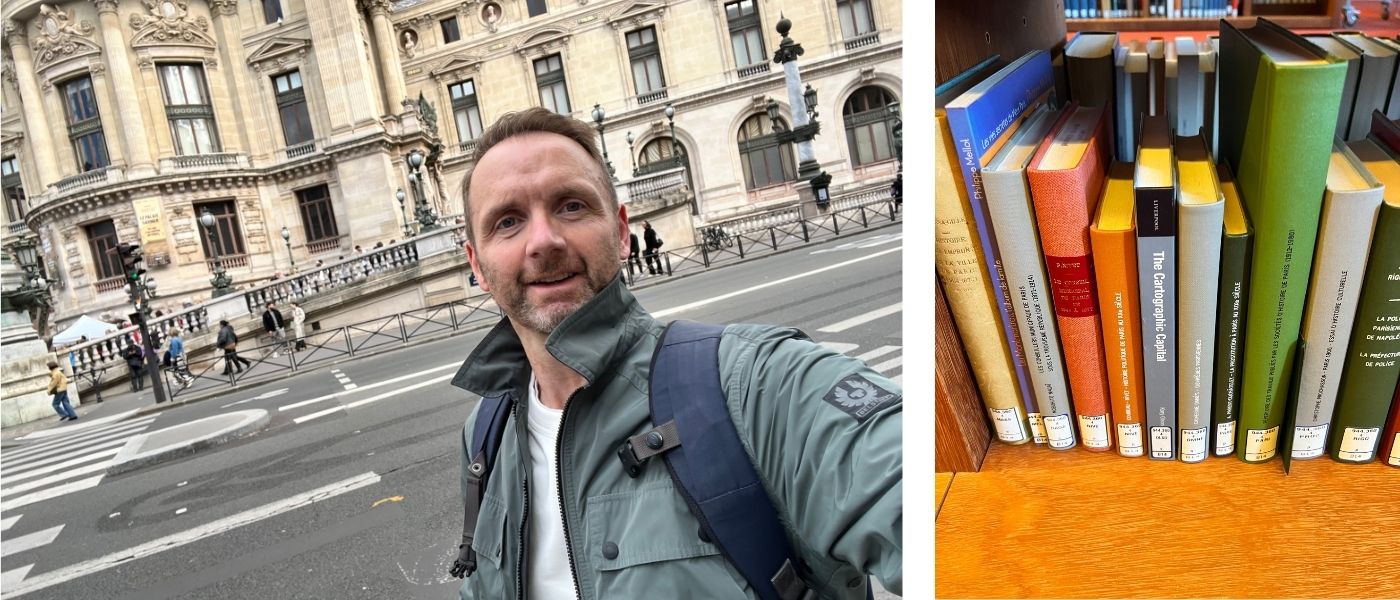
Photos: Professor Kory Olson in Paris, France, and Professor Kory Olson's book on a shelf at the French National Library.
Would you please tell us a little bit about your background and your education?
I grew up in Sioux Falls, South Dakota, and in high school, we were required to take a foreign language. I decided to take French and absolutely loved it. When it came to going to college, I hesitated between geography and French for my degree. I always loved cities and wanted to become an urban planner. With a geography degree, I could obtain my master's degree in urban and regional planning. However, in my senior year of college, my professor, a fellow student, and I went to France for two weeks. Upon landing in Paris, I realized that I should pivot and do something with French. It was a real eye-opener, especially for someone from South Dakota, who didn't get a chance to travel much.
I went on to get my master's in French. During that time, I spent a semester in Normandy, near the D-Day beaches. When I started my PhD, I got to live in France for two years. I taught English at a university, had an apartment, bought baguettes at the local boulangerie, ordered ‘un café’ at the local cafes; I really immersed myself in the culture. It was a life-changing event for me, and I just absolutely fell in love with the whole idea of having this be my career.
Why should people study a language? What's the importance of traveling globally?
In this day and age, where the information is so readily accessible, many people think, “Well, I don't need to travel to a place where they don’t speak English,” or “I don't need to go out and see the world, I can just do everything from my home computer”. In some respects, that is true, but at the same time, getting out there and experiencing the world can open your eyes to so much more.
Learning a language and traveling changes how you will view the world and how you see yourself. Going out, meeting new people, and learning new ideas really benefits you. It’s going to be a little bit uncomfortable at first; it takes some planning, but at the same time, just go and do it, live life, and get out there and see the world!
But that's part of the adventure - diving into a culture where you don't necessarily know everything and trying to find your way around. I think that is part of the fun.
If people can travel without having to learn another language, why is it important to learn other languages?
In some respects, we're very lucky that we have English as our native tongue here in the United States. If you're at a cafe or at a shop in any major city in Europe, you will be able to shop or order in English. But when I’m in Paris, and I switch to French, reactions change immediately. For tourists, it is the same. Once you leave Paris and go into the smaller communities where fewer people speak English, you can take your phone out and type something on the screen and show it to people, but there's nothing better than interacting with someone in their own language.
As an American, the stereotype is that we don't speak foreign languages. Quite often, when I’m in Europe and interacting with someone in French, they'll ask me if I'm German - because they just assume you're not going to be an American if you're speaking French. I think there's an appreciation there when I say, "No, I'm actually American”. You're able to have a deeper, more authentic connection. Technology is great, but adding that extra step just makes some conversations feel artificial.
Why should students take a Languages and Culture Studies course?
It's not just about going to France, Germany, Italy, Spain, or Mexico and speaking the native language, but it's also about learning different cultures. In my History of Paris class, for example, we're learning about the French Enlightenment ideals, and this idea that there should be a separation of church and state, freedom, and presumption of innocence. A lot of students don't realize how much the United States is influenced by other cultures. So, by studying French, by studying Spanish, or by studying Latin, we learn those other perspectives on life, and we learn about these cultures, and how they affect us, and how we affect them. It's just a more genuine way of interacting with the world, and it just makes us more well-rounded people to learn about others.
Can you tell us about your work, specifically your most recent book?
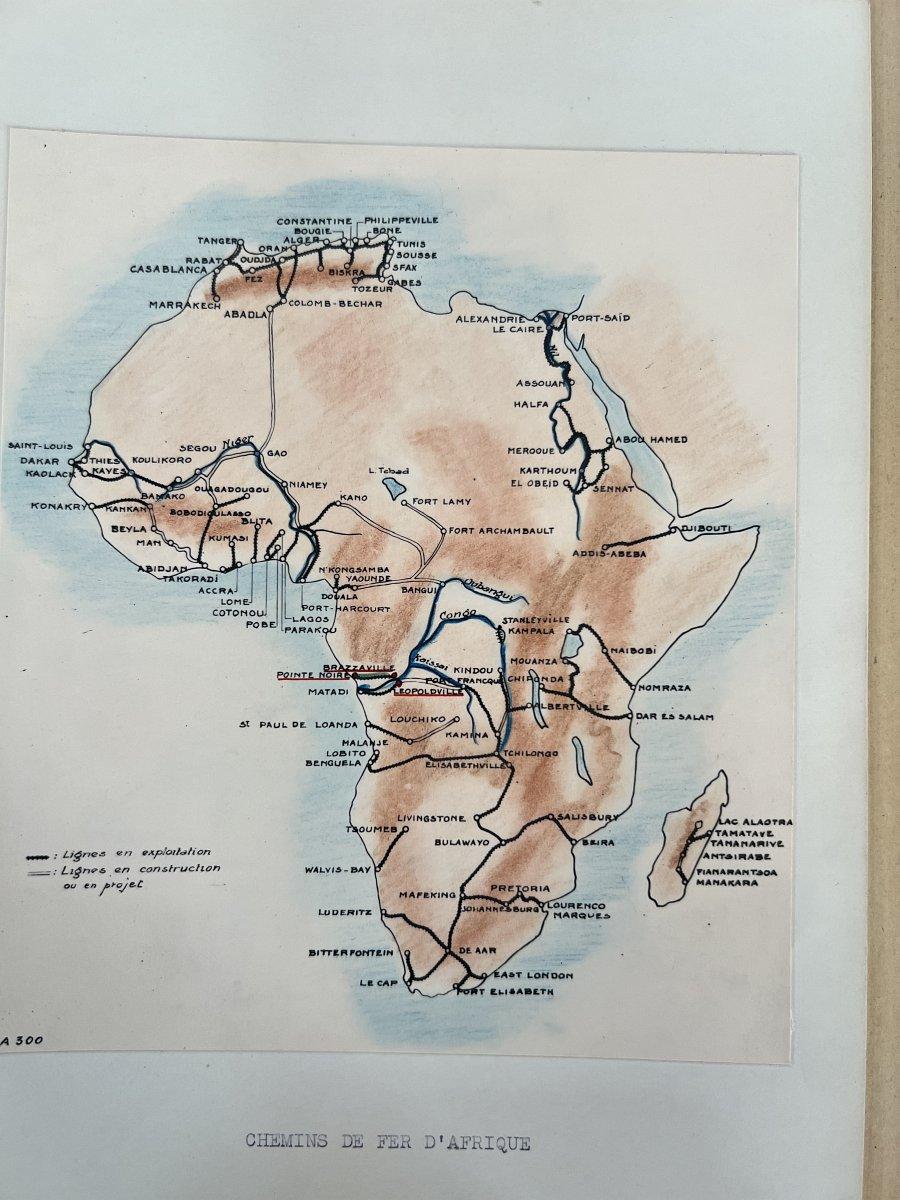
Going back to my undergrad, I double majored in geography and French, and I wanted to be an urban and regional planner, so my first book brought me back to that, and I wrote on maps of Paris. For my second book, I wanted to do something totally different, so I turned to maps of Africa, and more specifically, Michelin. Michelin is a French tire company, and when it first arrived in 1900, the goal was to get French people to get out and drive their cars as much as possible, because the more you drove, the more chances you're going to need to buy new tires. The Parisians were not sure about driving through rural France with all its unknowns to them, so the Michelin employees went out, found places that looked clean for sleeping, good for restaurants, etc., and put them all in a free guide.
These guides are very present in the French collective identity starting in 1900. Michelin eventually began to publish roadmaps. Looking at the company’s maps of Africa, they initially appear very easy, very straightforward, very French, because, even like Americans today, French people wanted some familiarity, and Michelin obliged. For example, you can look at maps of the Sahara Desert from 1958. On them, Michelin makes it very clear that you can, in fact, arrive from the north of Africa, from Algiers, for example, and drive all the way to Senegal. You can then drive to the Ivory Coast, you can drive to the Congo, and wow, isn't that great?
However, when you scratch the surface, driving through the desert isn't quite as easy or straightforward as Michelin makes it seem. Upon closer inspection, you might discover that these roads are only drivable in the dry months or that there's no gasoline for hundreds of kilometers - but the goal was to provide maps to get people out and driving, and hopefully buy more tires. On paper, yes, you can drive through the entire continent; in reality, that was not quite as easy as Michelin made it out to be.
Can you tell us a little about the research process?
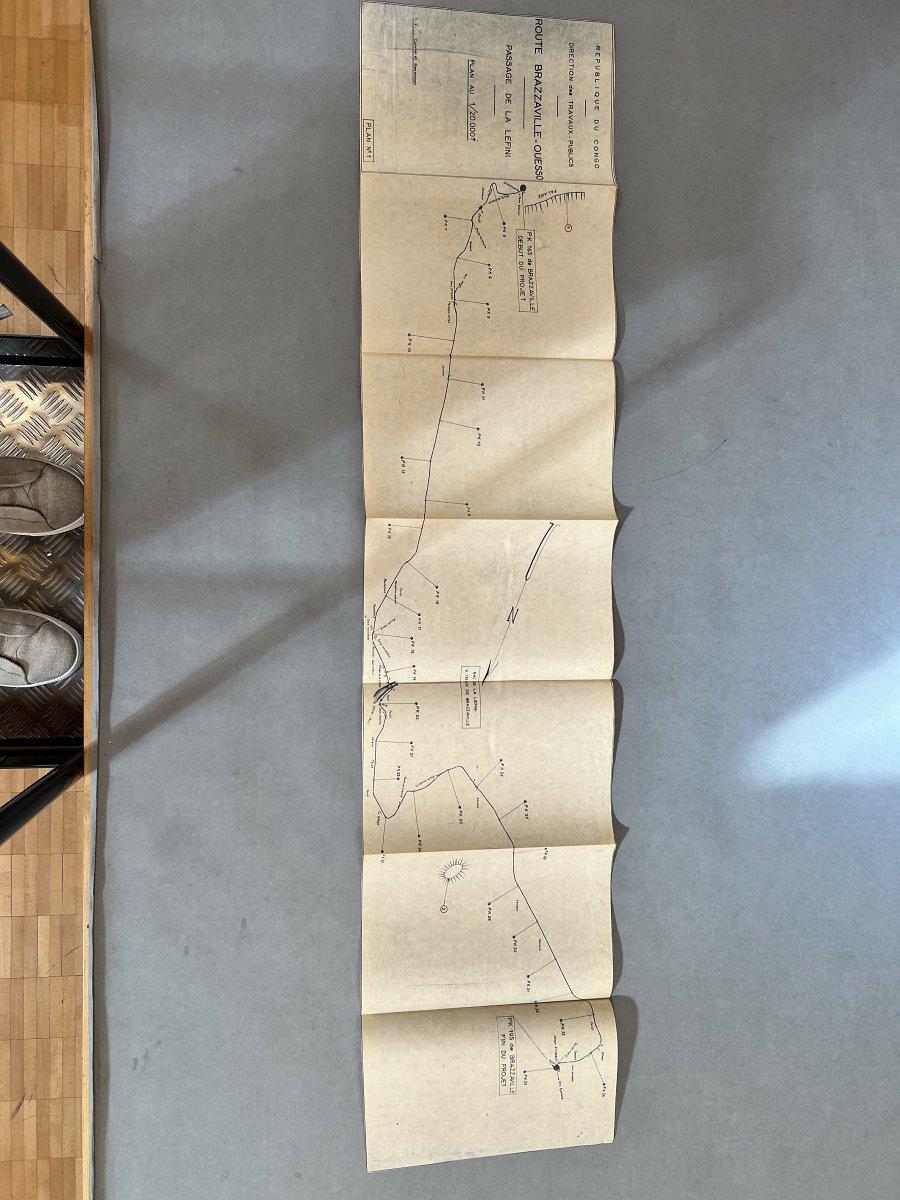
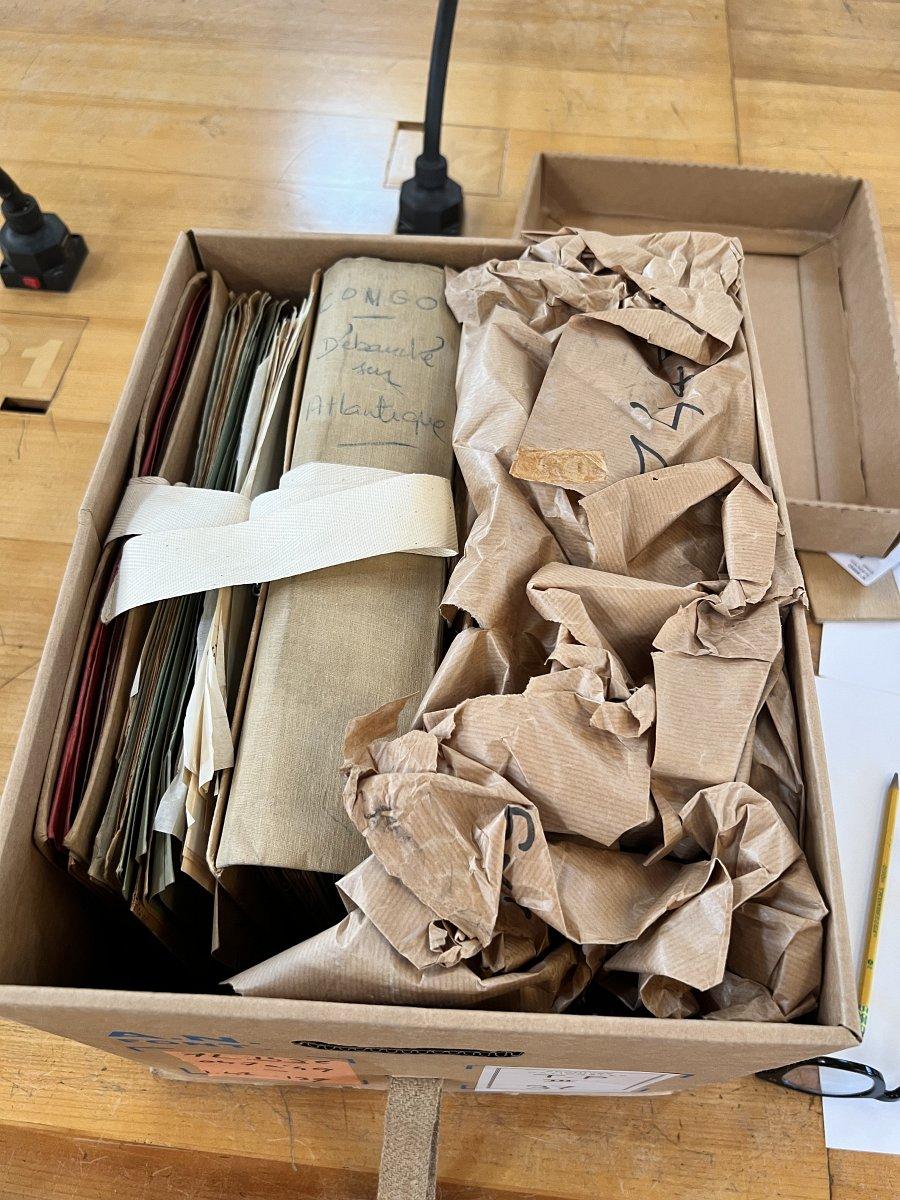
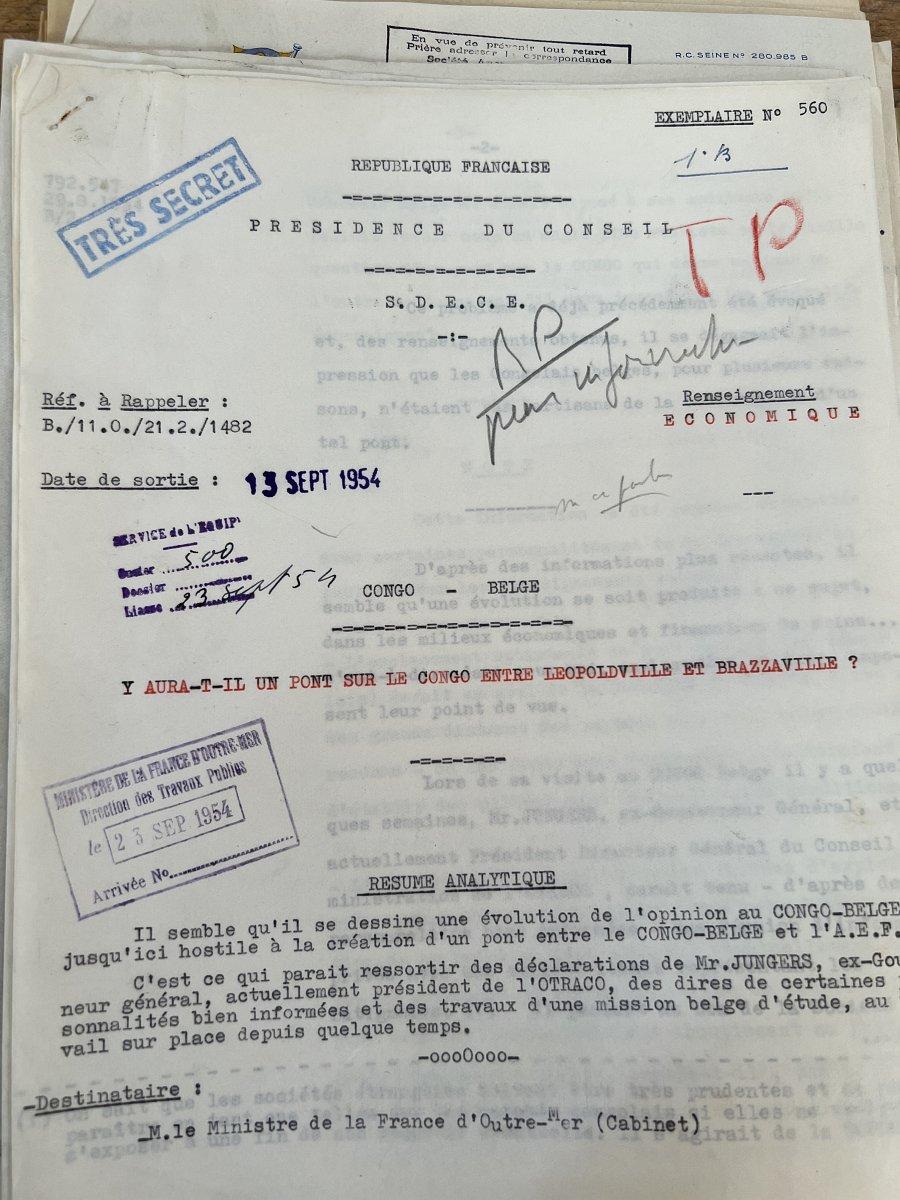
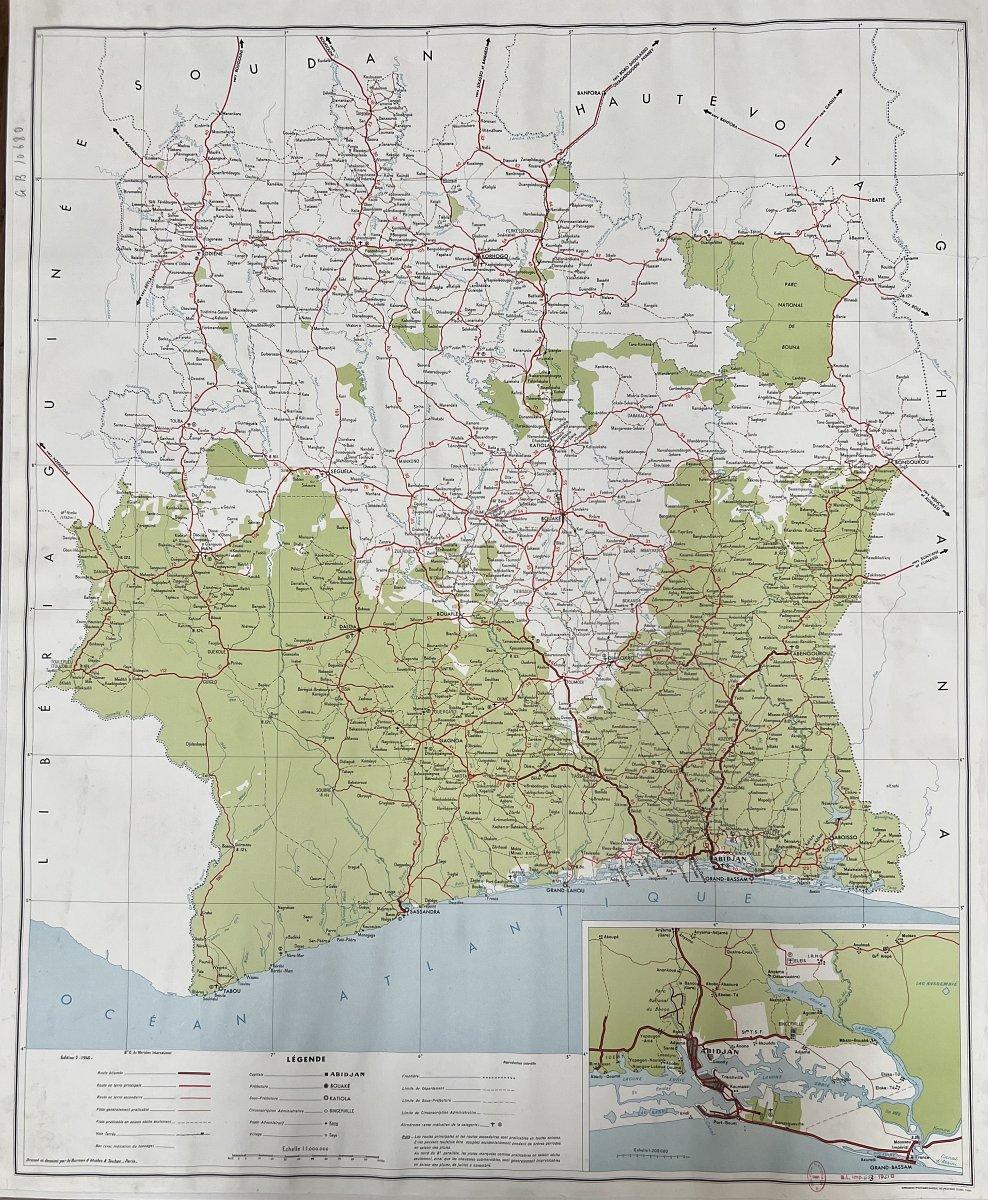
It has been a really fun project. Part of the process is visiting the archives, going through documents, and seeing what's there, finding what people had to say about the territories themselves. For example, in the Ivory Coast, the French were bemoaning the fact that they had all these resources, but couldn’t access them. So, they needed to build roads. I looked at what the French colonial authorities were saying, and compared that to the Michelin documents and what actually happened. In the end, many of the roads got built.
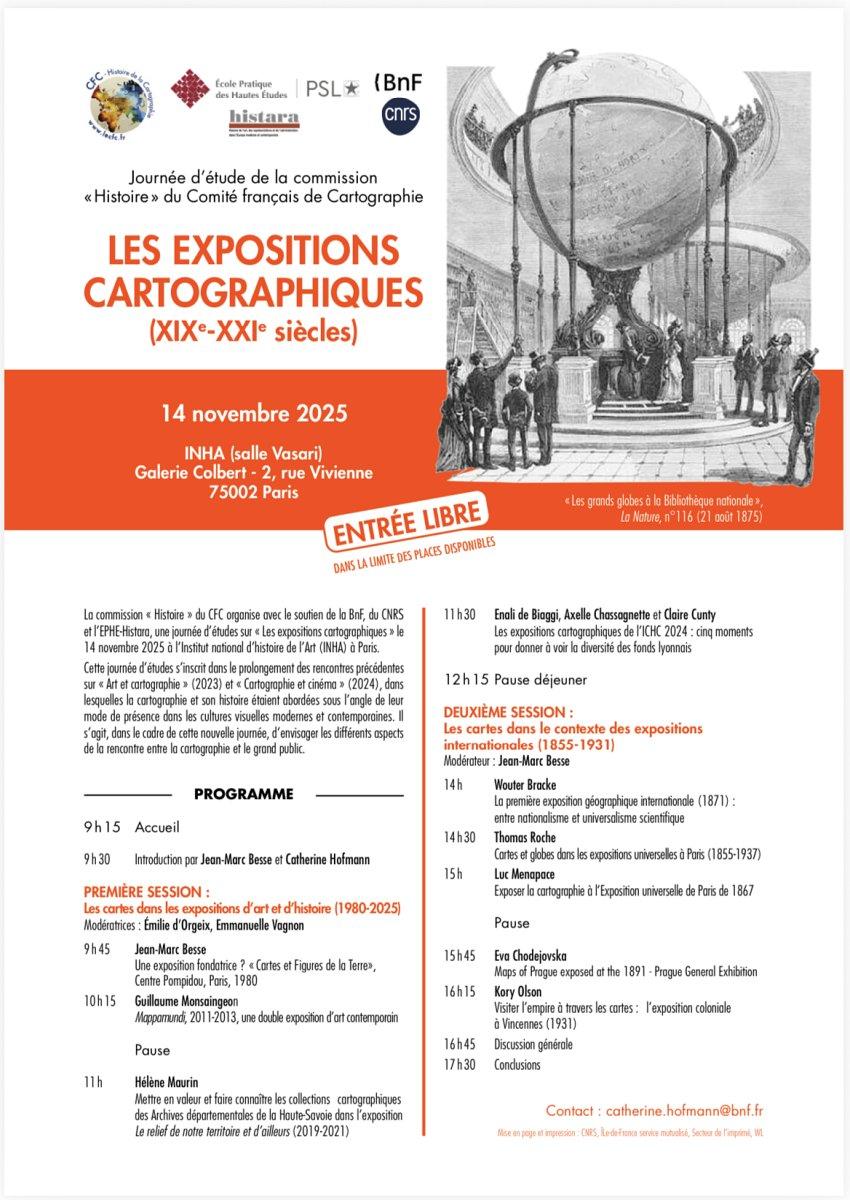
During sabbatical, I was able to go to the national archives in Paris and the colonial ones in Aix-en-Provence. I also presented a paper at the National Library on this work, which was a great experience. A lot of these international conferences are conducted in English; therefore, as an American presenting in French in the French academic community, I get recognition, and people appreciate that. Speaking foreign languages has really opened a lot of doors for me.
Can you tell us a little bit about the Languages and Culture Studies program?
We have a very dynamic, very engaging Languages and Culture Studies program here at Stockton. We have majors in Spanish, French, and Classics (Ancient Greek or Latin). People are often scared of taking a foreign language, but once we get them into Beginning French, Beginning Spanish, and Beginning Latin, we see how students open their eyes and realize that they might enjoy speaking another language! To experience that is one of the rewards for me being at Stockton.
Where I went to undergrad, at South Dakota State, in many respects, there are a lot of similarities with Stockton in terms of size, but also demographics. A lot of students, including me, are first-generation. Most of our students have not been to France. So, I get to introduce this world to many that may not normally have exposure to it. At Stockton, we teach all levels of instruction, from beginning, where you have never experienced the language before, all the way to advanced. The course offerings exercise grammar, vocabulary, literature, and culture.
In the Language and Culture Studies program, we also foster an incredibly welcoming environment; one where it is okay to make mistakes, where it is okay to be outside of your comfort zone, because we're there to guide you back. We offer a lot of great opportunities for students as well, including study abroad.
In the Language and Culture Studies program, we also foster an incredibly welcoming environment; one where it is okay to make mistakes, where it is okay to be outside of your comfort zone, because we're there to guide you back.
What are some opportunities for French students in the program and after graduation?
We've had students go to Paris, to Aix-en-Provence, to Cannes, on the French Riviera, for a semester, and to Grenoble, where they go to the Alps. There is also a program for French students called the Teaching Assistant Program in France (TAPIF), where the French government hires English speakers to go to France and be an assistant in an English-language classroom. So, you will have a French-English teacher, and you're there to support them.
TAPIF is a great opportunity because you're paid and living in France for an extended period of time. Of course, it is always great to visit Paris for a week or two, but to actually live there for a full year allows someone to really get out of their comfort zone, get out there and interact, and just live as a French person for a year and get paid for it. It's a wonderful opportunity. We've been very lucky to have had students interested and accepted, because it's quite competitive. We're on par with places like Penn State, Rutgers, and University of Virginia. It's definitely one of our highlights in Language and Culture Studies.
Where is your favorite place to travel?
Obviously Paris! I go there as much as I possibly can. I know the city - I mean, I wrote a book on the maps of Paris. It's like a second home for me. But if I had to choose a non-Paris location, I would say Western France. I lived in Angers, which is a city about an hour and a half west of Paris. There are all the châteaux and the beautiful castles. It's a beautiful part of the country.
Photo Gallery
Story by Michelle Wismer
Photos submitted by Kory Olson