Computer Information Systems at Stockton University prepares students to use technology to solve problems, support organizations and build skills for today’s digital workplace. The program offers flexible undergraduate pathways, including the Bachelor of Science in Computer Information Systems, the Bachelor of Arts in Computing and a minor in Computer Information Systems.
Students connect technology with organizational goals through coursework in programming, databases, computer networking, systems analysis, project management, business analytics and information security. Through applied learning, they develop technical and professional skills for careers in application development, data analysis, cybersecurity, systems support, project management or graduate study.

Turn Technology Into Opportunity
What degrees are offered through Computer Information Systems at Stockton University?
Stockton University offers a Bachelor of Science in Computer Information Systems, a Bachelor of Arts in Computing and a minor in Computer Information Systems. These options allow students to study computing, programming, information systems, databases, cybersecurity, analytics and technology management at different levels of depth.
What is Computer Information Systems?
Computer Information Systems focuses on how people, organizations and technology work together. Students learn to design, develop, implement and manage technology-driven solutions that help businesses, organizations and communities operate more effectively, securely and efficiently.
What is the difference between the B.S. in Computer Information Systems and the B.A. in Computing?
The B.S. in Computer Information Systems focuses on applying technology in business and organizational settings through coursework in programming, artificial intelligence, business analytics, cybersecurity, digital forensics, databases, networking, systems analysis, project management and UX design. The B.A. in Computing provides a broader computing foundation by allowing students to choose courses from both Computer Science and Computer Information Systems.
What can you do with a Computer Information Systems degree?
A Computer Information Systems degree can support careers in application development, business intelligence, data analytics, cybersecurity, digital forensics, systems analysis, database administration, networking, IT project management and technology consulting. Graduates may also pursue graduate study in information systems, cybersecurity, data analytics, business or related fields.
Do I need prior computer, math or technology experience to study Computer Information Systems?
No. Students do not need a background in computers, advanced math or technology to begin the Computer Information Systems program at Stockton University. Students build their skills through coursework, applied projects, hands-on practice and academic support.
Comparing Computer Information Systems and Computing
B.S. in Computer Information Systems
The B.S. in Computer Information Systems prepares students to design, develop, implement
and manage technology-driven solutions for businesses, organizations and communities.
This degree is a strong fit for students who enjoy working with computers, exploring
new technologies, analyzing information, protecting digital systems and building solutions
that help organizations operate more effectively, securely and efficiently.
Students gain a practical foundation in both technology and business through coursework in programming, artificial intelligence, business analytics, cybersecurity, digital forensics, systems analysis and design, databases, networking, project management and UX design. Through applied coursework and projects, students strengthen the problem-solving, communication, teamwork and technical skills needed to create effective and secure technology solutions.
B.A. in Computing
The B.A. in Computing provides a broader foundation in computing through coursework
in both Computer Science and Computer Information Systems. Students complete core
computing courses and choose electives from both areas, making this option a good
fit for students who want a flexible path across software, systems, data, web, business
technology or other technology-enabled fields.
In general, students who want a more focused path in information systems, cybersecurity, analytics, databases and business technology may prefer the B.S. in Computer Information Systems. Students who want a broader computing degree with more flexibility across Computer Science and Computer Information Systems may prefer the B.A. in Computing.
Minor in Computer Information Systems

The Computer Information Systems minor helps students in any major build practical technology skills they can apply in their chosen field. Through applied coursework, students learn to use information systems to analyze data, improve processes, protect digital information, and solve organizational problems.
By adding the CIS minor to their major, students can strengthen their academic and career preparation across many fields, including:
- Accounting: Use Business Analytics, Cybersecurity, and Database Systems for reporting, auditing, fraud detection, and secure financial records.
- Business Administration or Business Analytics: Apply Business Analytics, Database Systems, and ERP to improve operations, reporting, strategy, and decision-making.
- Communication Studies or Digital Studies: Apply Application Development, Human-Computer Interaction, and Project Management to digital media, user experience, and content strategy.
- Computer Science: Apply Application Development, Cybersecurity, and/or Database Systems to software development, systems design, secure applications, and technology solutions.
- Criminal Justice: Use Cybersecurity, Digital Forensics, and/or Python for Data Analysis for cybercrime investigation and digital evidence analysis.
- Finance: Use Business Analytics, Cybersecurity, and/or Database Systems for financial analysis, risk management, fraud prevention, and fintech.
- Health Science or Public Health: Connect Cybersecurity, Database Systems, and/or Python for Data Analysis to healthcare records, public health data, patient privacy, and secure health information management.
- Hospitality, Tourism and Event Management: Use Business Intelligence, Data Analytics, and/or Database Systems to support event planning, service operations, customer relationship management, and guest experience improvement.
- Marketing: Use Business Intelligence, Data Analytics, and/or Database Systems to analyze customer behavior, measure campaign performance, segment markets, and support data-informed marketing decisions.
The CIS minor adds a valuable applied technology perspective that helps students connect technology to their field of study, broaden their career options, and contribute to meaningful solutions in their chosen professions.
View the Academic Bulletin for details about the minor curriculum.
Program Faculty

Aakash Taneja

Mehmet Akgul
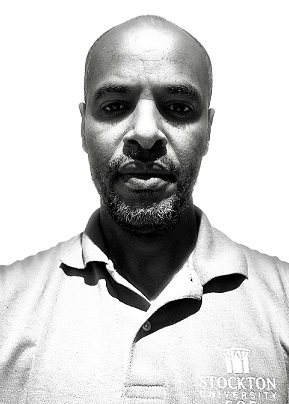
Wondi Geremew

Mina Jafarijoo

Quynh Nguyen

Hima Bindu Sadashiva Reddy

Chenyan Xu
Learning Goals & Mission
Computer Information Systems Learning Goals
The CIS Program is designed to provide a solid education for those who intend to obtain employment as computer information systems professionals, as well as those who plan to enter graduate school for research and advanced studies.
By the time of graduation, Computer Information Systems (CIS) students will have an ability to:
- Analyze a complex computing problem and to apply principles of computing and other relevant disciplines to identify solutions.
- Design, implement, and evaluate a computing-based solution to meet a given set of computing requirements in the context of the program's discipline.
- Communicate effectively in a variety of professional contexts.
- Recognize professional responsibilities and make informed judgments in computing practice based on legal and ethical principles.
- Function effectively as a member or leader of a team engaged in activities appropriate to the program's discipline.
- Support the delivery, use, and management of information systems within an information systems environment.
Program Mission
The mission of the Computer Information Systems Program at Stockton University is to provide outstanding undergraduate degrees and courses that are consistent with the missions of the University and the School of Business, and that meet the full range of needs of the students. The Program provides students with an adaptable curriculum and pedagogy that complements the evolution of computer technology and the computing profession so that our graduates will have:
- A strong theoretical and application oriented background across the computer science and information systems disciplines;
- Practical skills and experience that enables them to become valuable contributors to their profession;
- The ability and motivation to grow professionally and/or to continue their education after graduation;
- An understanding of their professional and ethical responsibilities;
- The capability to apply technology skills and organizational principles to design, implement and manage technological solutions in various domains such as business, health, hospitality, medicine or entertainment;
- The ability to perform effectively in software application development;
- Skills such as analytical thinking, decision making, professional communication, system analysis, data analytics, database design, project management, and information security, required to address origanizations' strategic goals, day-to-day operations, and regulatory compliance;
- The confidence to explore innovative technologies to attain competitive advantage for organizations.
Internship and Independent Study Options
Students may have opportunities to apply their skills through internships, independent studies, and real-world projects.
These experiences help students connect coursework to career goals, build professional skills, and see how technology supports real organizational needs.
Careers
Below are some examples of career paths awaiting Computer Information Systems graduates:
- Application Development and User Experience
- Application Developer
- UX Designer
- Cybersecurity and Digital Forensics
- Cybersecurity Analyst
- Digital Forensics Investigator
- Penetration Tester
- Data and Business Systems
- Business Intelligence & Data Analyst
- Business Analyst
- Database Administrator
- ERP Consultant
- IT Support and Infrastructure
- IT Help Desk Analyst
- IT Support Specialist
- Network and Systems Administrator
- IT Project Management and Consulting
- IT Project Coordinator
- Technology Consultant
- Systems Analysis
- Computer Systems Analyst
Career Pathways
Graduates of the B.A. in Computing may pursue technology-related roles that require general computing knowledge and practical technical skills. Depending on selected Computer Science and Computer Information Systems courses, students may prepare for opportunities in software, systems, data, web, business technology, and other technology-enabled areas.
{{ studyArea.title }}
{{ studyArea.type }}